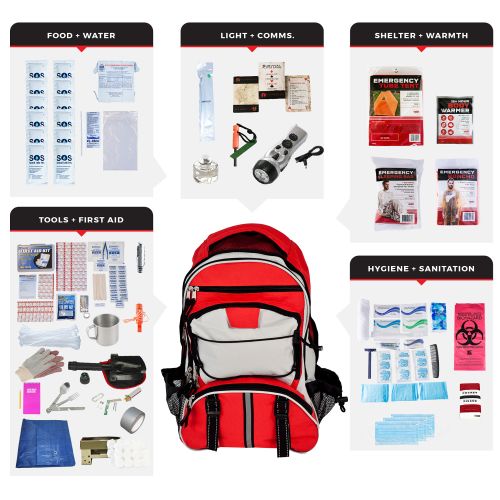
At its core, a bug-out bag is about self-reliance. When emergency services are overwhelmed, stores are empty, and infrastructure is damaged, having your essentials already packed can make the difference between reacting calmly and scrambling unprepared.
The Purpose of a Bug Out Bag
A common misconception is that a bug-out bag is meant to cover every possible scenario. It isn’t. The purpose is to help you survive the initial phase of an emergency—long enough to reach safety, regroup, or transition to a longer-term plan. Comfort takes a back seat to function, weight, and versatility.
A well-built bug-out bag allows you to:
Stay hydrated and nourished
Protect yourself from exposure
Handle minor injuries
Navigate unfamiliar areas
Communicate or receive information
Maintain basic hygiene and morale
Every bag should be adjusted for your climate, location, health needs, and family situation, but there are core categories everyone should cover.
Bug Out Bag Essentials
Water & Hydration
Water is your top priority. Dehydration sets in fast, especially under stress or physical exertion.
Your bag should include:
Bottled water or water pouches
A compact water filter or purification tablets
Carrying all the water you need isn’t always realistic, which is why filtration and purification tools are critical. They allow you to safely use water from streams, lakes, or other questionable sources when clean water isn’t available.
Food & Nutrition
Food provides energy, mental clarity, and morale. During emergencies, calorie-dense and low-prep options work best.
Recommended items include:
Ready-to-eat, non-perishable food
Energy bars or freeze-dried meals
Basic utensils
Avoid bulky packaging and foods that require long cooking times. Your goal is efficient fuel, not a full meal experience.
Clothing & Shelter
Exposure can be just as dangerous as hunger or thirst. Even mild weather can become life-threatening if you’re wet, cold, or overheated.
Consider packing:
Weather-appropriate clothing layers
Extra socks
Gloves or a hat
Emergency blanket, bivy, or compact tarp
Shelter items don’t need to be heavy or complex. Lightweight solutions that retain heat and block wind or rain can dramatically improve survival odds.
Light & Power
When the lights go out, everything becomes harder. Reliable lighting improves safety, navigation, and communication.
Include:
Flashlight or headlamp
Extra batteries
Portable power bank or charging cable
Headlamps are especially useful because they keep your hands free. Backup power helps keep phones, radios, or GPS devices running longer.
First Aid & Hygiene
Minor injuries can quickly become serious without basic care. Hygiene also plays a bigger role than many people expect, helping prevent illness and maintain morale.
Your kit should contain:
Basic first aid supplies
Prescription medications
Pain relievers
Bandages and antiseptic
Hygiene items like wipes, toothbrush, and sanitizer
Tailor this section to your personal medical needs. What’s essential for one person may not be enough for another.
Tools & Safety Items
Multipurpose tools save space and add flexibility.
Useful additions include:
Multi-tool or sturdy knife
Fire starter or lighter
Duct tape
Paracord
Whistle for signaling
These items help with shelter setup, repairs, signaling for help, and general problem-solving.
Navigation & Communication
Technology is great—until it fails. Backup navigation and information tools are crucial.
Pack:
Paper map of your area
Compass
Emergency radio
An emergency radio keeps you informed when cell networks are down, providing weather alerts and emergency updates.
Personal & Administrative Items
These don’t get much attention until they’re needed.
Include:
Copies of important documents
Emergency contact information
Cash in small bills
Personal comfort items
Cash still works when digital payments don’t, and having identification or insurance documents can speed up recovery after an evacuation.
Building vs. Buying a Bug Out Bag
Some people enjoy building a bug-out bag from scratch, carefully selecting each item. Others want a dependable starting point that covers the essentials without weeks of research and shopping. Both approaches are valid.
The key is having something ready. A perfect bag you never finish is far less useful than a solid one you can grab today.
A Simple Way to Get Started
If you’re looking for an easy, reliable way to cover the basics, the Gotta Go Prep Bug Out Bag is designed to take the guesswork out of emergency preparedness. It provides a well-rounded foundation of essential gear, making it ideal for beginners or anyone wanting to upgrade their readiness without starting from zero.
You can build on it, customize it, or keep it as-is—but having it ready means you’re already ahead of the curve.
Being prepared doesn’t mean expecting the worst. It means knowing you can handle whatever comes next.
Get started here:
👉 https://www.gottagoprep.com/products/view/id/3574 and several more available
