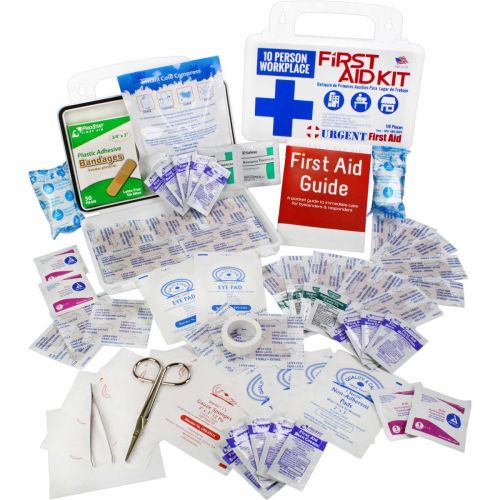
A quality first aid kit is one of the most important pieces of emergency equipment you can own. Whether you're preparing your home for unexpected emergencies or building a bug-out bag for evacuation, having the right medical supplies on hand can make a significant difference when professional help isn't immediately available.
Why Every Prepper Needs a Quality First Aid Kit
When people begin preparing for emergencies, they often focus on food, water, flashlights, and shelter. While those items are essential, a well-stocked first aid kit deserves just as much attention. Injuries can happen anytime—during severe weather, power outages, camping trips, hiking adventures, or everyday accidents around the house.
A quality first aid kit helps you respond quickly to cuts, burns, sprains, blisters, insect bites, and other common injuries before they become more serious. In a large-scale emergency, emergency responders may be delayed, making it even more important to have the supplies needed to care for yourself and your family.
Why Cheap First Aid Kits Aren't Always Enough
Many inexpensive first aid kits found in big-box stores contain dozens or even hundreds of pieces, but much of that count comes from small adhesive bandages. While bandages are useful, they aren't enough for handling more serious situations.
A quality kit should include a variety of medical supplies that allow you to treat different types of injuries instead of relying on one-size-fits-all solutions.
What a Good First Aid Kit Should Include
A well-equipped first aid kit should contain items such as:
Adhesive bandages in multiple sizes
Sterile gauze pads
Rolled gauze
Medical tape
Elastic compression bandage
Antiseptic wipes
Antibiotic ointment
Burn gel or burn dressings
Tweezers
Trauma shears
Nitrile gloves
CPR face shield
Instant cold packs
Triangular bandage
Eye wash solution
Digital thermometer
Pain relievers (where appropriate and legally stored)
Antihistamines
Emergency blanket
Instruction guide for basic first aid
The best kits are organized so you can quickly locate supplies when every second counts.
Home First Aid Kits
Your home should have a larger, more comprehensive first aid kit that can treat multiple people. Keep it in an easily accessible location that everyone in your household knows about.
A home kit should be checked every six months to:
Replace expired medications
Restock used supplies
Check batteries in any included medical devices
Replace damaged packaging
Update emergency contact information
Bug-Out Bag First Aid Kits
A bug-out bag requires a different approach. Space and weight matter, so your medical kit should be compact while still covering the most likely injuries you'll encounter.
A bug-out bag first aid kit should focus on:
Bleeding control
Wound cleaning
Blister prevention
Minor burns
Pain relief
Allergic reactions
Sprains and strains
Personal medications
Remember that your bug-out kit should complement—not replace—your larger home first aid kit.
Learn How to Use Your Supplies
Owning medical supplies is only half the equation. Spend time learning basic first aid skills before an emergency happens.
Consider learning:
How to stop bleeding
Proper wound cleaning
CPR and AED use
Treating burns
Splinting simple injuries
Recognizing signs of shock
Responding to heat exhaustion and hypothermia
Many local organizations offer affordable first aid and CPR classes that can build confidence and practical skills.
Rotate and Inspect Your Kit
Medical supplies don't last forever. Adhesives lose their stickiness, sterile packaging can become damaged, and medications expire.
Create a habit of inspecting your kits twice a year. Replace anything that's expired, damaged, or missing so your kit is always ready when you need it.
Preparedness Starts Before an Emergency
A quality first aid kit isn't just for survivalists or outdoor enthusiasts—it's a practical investment for every family. From everyday accidents to larger emergencies, having the right supplies available can help you respond quickly and confidently.
Whether you're building your first emergency kit or upgrading an existing one, don't overlook the importance of quality medical supplies. It's one of those purchases you hope you never need—but you'll be grateful to have if the unexpected happens.
First Aid Kit Essentials Checklist
Use this checklist when building or upgrading your first aid kit:
Wound Care
Adhesive bandages (assorted sizes)
Sterile gauze pads
Rolled gauze
Medical tape
Butterfly closures
Antiseptic wipes
Antibiotic ointment
Bleeding Control
Compression bandage
Trauma dressing
Elastic wrap
Nitrile gloves
Burn Treatment
Burn gel
Sterile burn dressings
Non-stick pads
Tools
Trauma shears
Tweezers
Safety pins
Digital thermometer
CPR face shield
Medications
Pain relievers
Antihistamines
Anti-diarrheal medication
Hydrocortisone cream
Personal prescription medications
Emergency Supplies
Emergency blanket
Instant cold pack
Triangular bandage
Eye wash solution
Small flashlight
Waterproof notepad and pencil
Maintenance
Inspect twice a year
Replace expired medications
Restock used supplies
Keep the kit clean and dry
Make sure every family member knows where it's stored
