Why Every Household Needs a 72 Hour Emergency Kit (And Exactly What Should Be in It)
Emergencies don’t wait for a convenient moment. Severe weather, extended power outages, wildfires, flooding, infrastructure failures, and unexpected evacuations can disrupt daily life with little or no warning. When they do, access to basic necessities—water, food, power, and medical care—can disappear quickly.
That’s why a 72-hour emergency kit is one of the most important preparedness steps any household can take.
A 72-hour kit—often called a go bag or emergency preparedness kit—is designed to help you and your family remain self-sufficient for at least three days. Those first 72 hours are often the most critical and chaotic phase of an emergency.
At Gotta Go Prep, we believe preparedness isn’t about fear. It’s about confidence, responsibility, and peace of mind.
Why the First 72 Hours of an Emergency Matter Most
In nearly every disaster scenario, emergency response systems are overwhelmed. First responders must prioritize life-threatening situations, while supply chains and utilities struggle to recover.
Government agencies, including FEMA, recommend that households be prepared to care for themselves for a minimum of 72 hours. This is because help may take time—not because it won’t come at all.
During those first three days:
Grocery stores often sell out within hours
Gas stations may lose power
Roads can become blocked or impassable
Cell phone networks may fail
Hospitals and emergency services are stretched thin
A well-prepared 72-hour survival kit gives you time to make informed decisions instead of rushed ones. It allows you to shelter in place or evacuate safely while others scramble.
Prepared people don’t panic—they respond.
What Makes a Proper 72-Hour Emergency Kit?
A good 72-hour emergency kit focuses on core survival priorities first, then comfort and adaptability. It should be portable, organized, and tailored to your household’s needs.
Below is a complete 72 hour kit checklist, broken down by category.
Water and Hydration Supplies (Most Important)
Water is the single most critical item in any emergency survival kit. Dehydration affects physical ability, mental clarity, and emotional control.
Recommended minimum:
One gallon of water per person per day
Three-day supply per person
What to include:
Sealed water bottles or emergency water pouches
Collapsible water containers
Water purification tablets
A water filtering straw or gravity filter
If clean water becomes unavailable, purification tools can prevent serious illness and dehydration.
Emergency Food and Nutrition
Food provides energy, stability, and morale during stressful situations. The goal is simple, reliable calories—not gourmet meals.
Choose foods that are:
Shelf-stable
Ready to eat or easy to prepare
Familiar to your household
High in protein and calories
Recommended emergency food items:
Ready-to-eat emergency meals
Canned foods
Protein bars and trail mixes
Peanut butter and nut spreads
Dried fruits
Don’t forget:
Manual can opener
Lightweight utensils
Paper towels or napkins
Lighting and Backup Power Essentials
Power outages are one of the most common emergency scenarios. Losing light and device charging capabilities increases risk and stress.
Lighting and power items to include:
LED flashlights
Headlamps (hands-free lighting)
Extra batteries
Battery-powered lanterns
Portable power banks
Solar or hand-crank chargers
Lighting is about more than visibility—it’s about safety, comfort, and control after dark.
First Aid and Medical Supplies
Small injuries can turn serious quickly when medical care is delayed.
Basic first aid kit essentials:
Adhesive bandages
Gauze and medical tape
Antiseptic wipes or spray
Disposable gloves
Tweezers
Pain relievers
Medical considerations:
Prescription medications (minimum three-day supply)
Allergy medications
Inhalers or medical devices
Written medical information
Every emergency kit should be customized based on medical needs.
Emergency Communication and Information Tools
Reliable information reduces fear and improves decision-making.
Include:
Battery-powered or hand-crank emergency radio
Written emergency contact list
Local and regional maps
Phones are useful—but they shouldn’t be your only plan.
Clothing and Weather Protection
Exposure to heat, cold, or rain can become dangerous faster than most people expect.
Pack for your climate:
Weather-appropriate clothing layers
Sturdy gloves
Hat and rain gear
Extra socks
Comfortable, closed-toe shoes
Even simple items like dry socks can prevent injury and improve morale.
Emergency Tools and Safety Gear
Basic tools increase your ability to adapt and solve problems.
Recommended items:
Multi-tool or emergency knife
Duct tape
Work gloves
Whistle for signaling
Small wrench or pry tool
Hygiene and Sanitation Supplies
Hygiene directly impacts health during emergencies.
Include:
Toothbrush and toothpaste
Soap or hand sanitizer
Wet wipes
Toilet paper
Trash bags
Face masks
Poor sanitation leads to illness, which complicates every emergency situation.
Personal, Family, and Comfort Items
Preparedness is about people, not just gear.
Consider adding:
Copies of important documents
Cash in small bills
Comfort items for children
Pet food and supplies
Notebook and pen
Where to Store Your 72-Hour Emergency Kit
Your emergency kit should be:
Easy to grab quickly
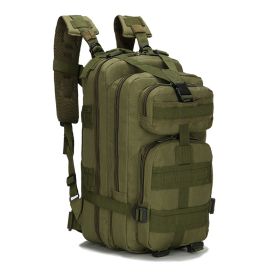
Stored in a backpack, duffel bag, or sturdy container
Accessible to all family members
Many people choose to keep:
One kit at home
A smaller kit in their vehicle
Individual kits for each person
Maintain and Update Your Emergency Kit Annually
At least once per year:
Replace expired food and water
Rotate batteries
Update medications
Adjust clothing for seasonal needs
Preparedness is a habit, not a one-time task.
Prepared, Not Panicked
A 72-hour emergency kit doesn’t mean you expect disaster—it means you respect reality. When emergencies happen, preparation turns chaos into manageable challenges.
You don’t need to build the perfect kit overnight. Start with the basics. Improve it over time.
At Gotta Go Prep, we help everyday people prepare for everyday emergencies—because peace of mind starts before something goes wrong.
